
In the pet care world, trust isn’t optional, it’s everything. Whether you run a dog training school, grooming salon, daycare, or pet-sitting business, your website is often the very first impression a pet parent gets of you. And when their fur baby is involved, emotions run high.
A trustworthy website doesn’t just look pretty – it answers questions, removes doubt, and makes pet owners feel safe choosing you. Below are the key trust-building elements dog business owners must showcase on their site, along with helpful FAQ-led sections designed to get your content surfaced in search.
1. Clear Services & Specialization
You should answer: “What services do you offer and how do I know they’re right for my dog?”
Pet owners want to quickly understand what you do and if you’re qualified to handle their dog’s needs. This means listing your services clearly, explaining who they’re for, and defining your training or care philosophy.
Break your service pages into digestible sections: training categories, grooming packages, daycare requirements, or walking routines. If you specialize, such as reactive dog training or medically fragile pets, make this unmistakably clear.
Trust tip: Add short explanations about why these services matter and what problems they solve. Pet owners are scanning for reassurance that you understand their dog’s challenges.
2. Proof of Professional Credibility
You should answer: “Are you certified, experienced, and safe to trust with my pet?”
Every pet business claims to love dogs but professionalism is what truly sets you apart. Showcase:
- Training certifications (CPDT-KA, IAABC, Fear-Free, IACP, etc.)
- Years of experience
- Staff bios
- Safety protocols
- Insurance and bonding information
Pet parents care deeply about who handles their dog and whether you’re trained to respond to behavioral or medical situations.
Trust tip: Add real-world proof such as client success stories, before-and-after transformations, and photos of you working with dogs.
3. Social Proof & Client Happiness
You should answer: “Can I see what other dog owners say about you?”
People trust other dog parents more than businesses, it’s human nature. Your website should visibly feature:
- Google reviews
- Facebook recommendations
- Testimonial videos
- Success stories from real clients
Highlight reviews that describe actual problems you solved, not just “Great service!” Pet owners want to read stories that feel personal and familiar to their own situation.
Trust tip: Embed live Google review widgets so testimonials stay fresh and continuously updated.
4. Pricing Transparency & Clear Next Steps
You should answer: “How much does it cost and what do I do next?”
One of the fastest ways to lose trust? Making pet owners dig for pricing. You don’t need to list every scenario or add an exact quote, but ranges, package descriptions, or starting rates build credibility.
Equally important is the user journey. Your website should make it easy for pet parents to:
- Book a consultation
- Fill out an intake form
- Call or message you
- Understand your process
When people know what to expect financially and procedurally, they feel more confident reaching out.
Trust tip: Add a “How It Works” section breaking down your onboarding steps. Clarity = trust.
5. Emotional Connection Through Photos, Tone, and Storytelling
You should answer: “Who are you really and why should I trust you with my dog?”
Pet parents want to feel connected to the human behind the business. Authenticity is a major trust builder, especially in dog-centered industries where empathy and compassion matter.
Use real photos:
- You working with dogs
- The environment they’ll be in
- Happy clients with their pets
Your copywriting should sound warm, knowledgeable, and dog-loving, not robotic. Tell your story. Why did you get into this business? What drives you? What’s your mission for pets?
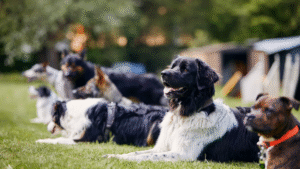
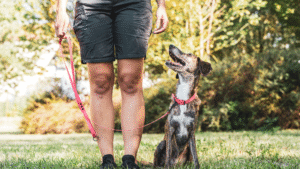
Trust tip: Avoid stock photos as your main visuals. Pet owners can tell when images don’t match reality.
Trust Starts With Your Website
A high-trust website isn’t just good design: it’s clarity, expertise, empathy, and proof. When your site answers pet owners’ biggest questions before they even ask them, you lower their anxiety, build confidence, and make it easy for them to choose you over a competitor.
And the best part? Building a trust-driven website doesn’t need to feel overwhelming.
Ready to Build a Website Pet Owners Instantly Trust?
DirtyPawsMarketing specializes in helping dog trainers, groomers, walkers, and pet-care professionals stand out online. From strategic website design to copywriting, branding, digital marketing, and SEO, we know what pet parents look for and how to make your business shine. Schedule a call with us today!